


Marine Hydraulic Cylinder

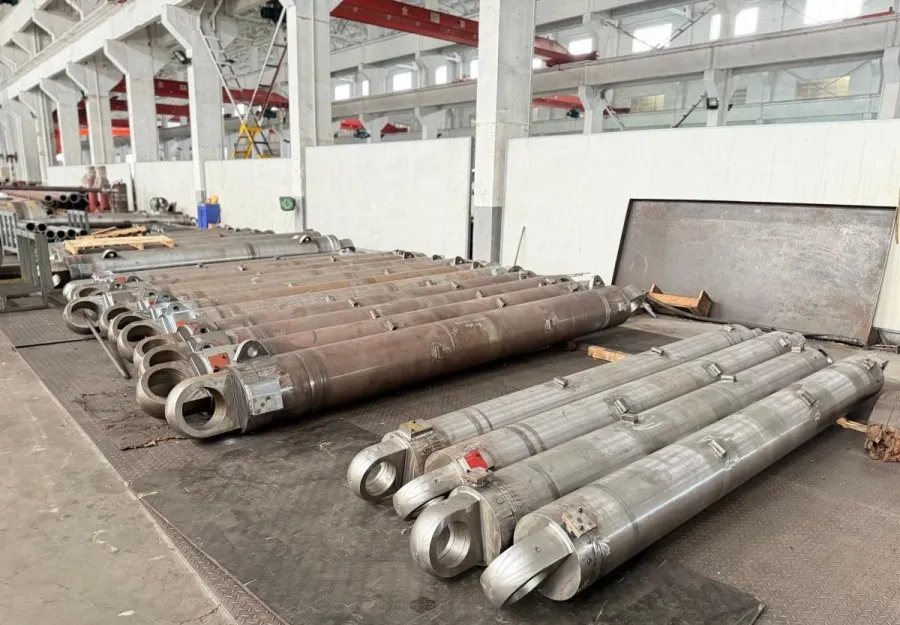
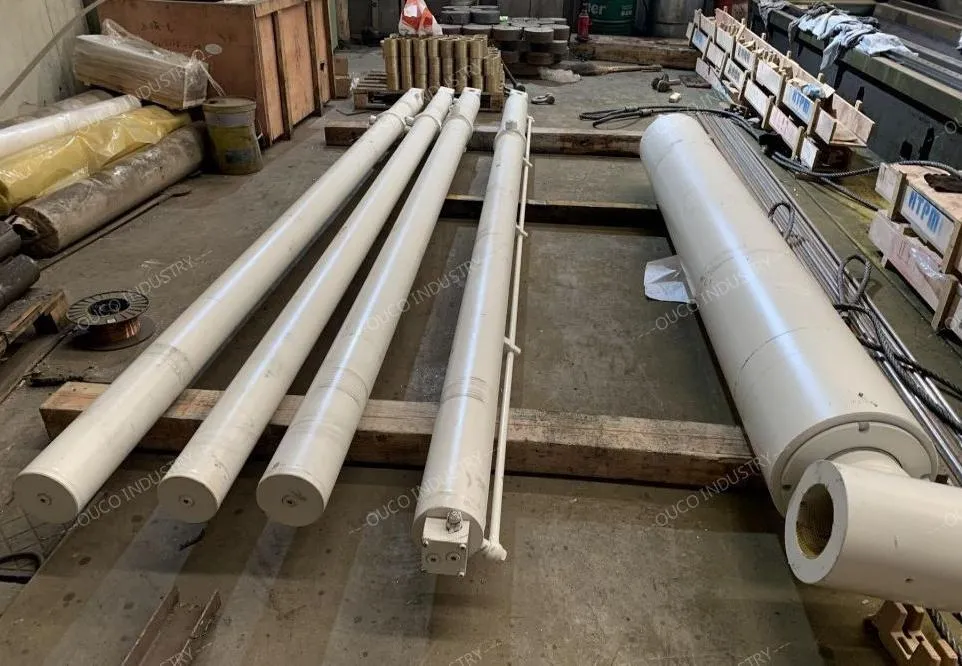
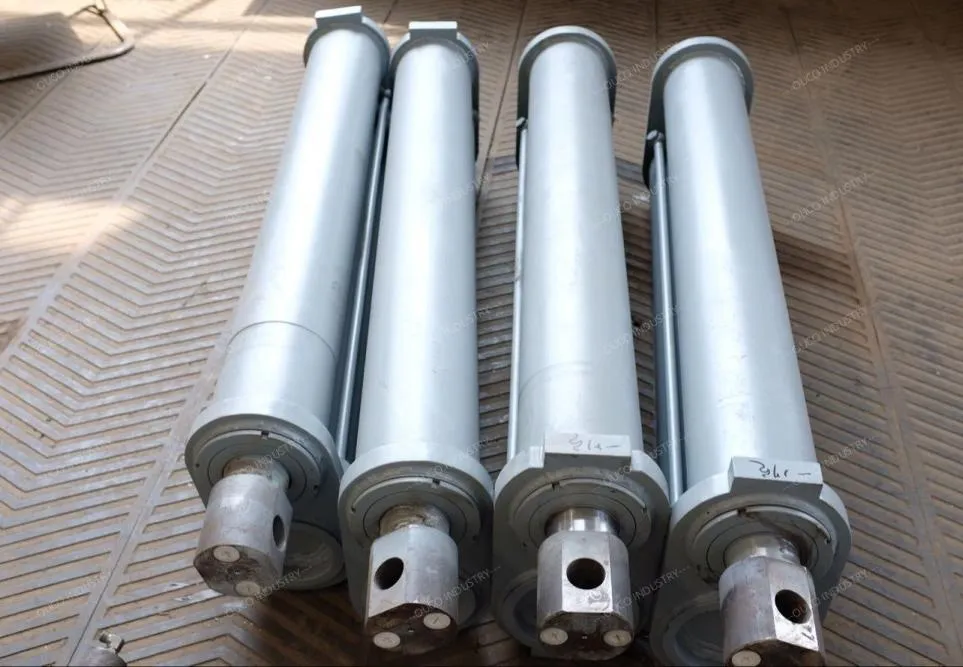
Hydraulic cylinders serve as the critical actuation units for port and maritime equipment. OUCO hydraulic cylinders are specifically engineered for the rigors of marine and offshore applications. Our manufacturing capabilities include a maximum bore diameter of 1200mm, strokes up to 10,000mm, and working pressures reaching 50MPa. We provide cylinders compatible with various media, including water glycol, emulsions, synthetic esters (HEES), and phosphate esters.
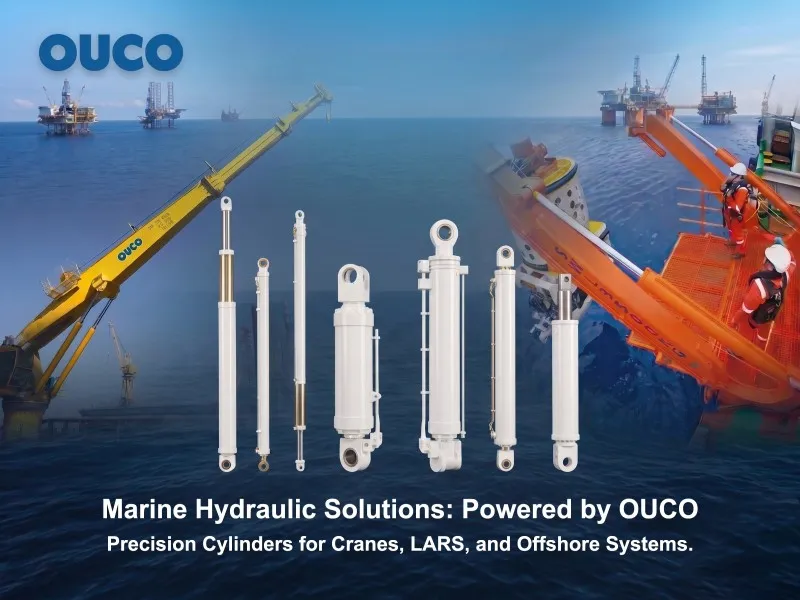
Our cylinders provide long-term reliability for Offshore Rigs, Marine Cranes, ROVs, Subsea Handling Equipment, Yacht/Lifeboat Davit Systems, and Port Material Handling Machinery.
Why Choose OUCO Marine Hydraulic Cylinder?
As offshore equipment specialists, OUCO deeply understands the rigorous demands placed on marine hydraulic systems. Our cylinders are integrated directly into our own cranes and winches, providing real-world validation of their performance and durability. By combining extreme corrosion resistance with high-reliability sealing and heavy-duty designs, we consistently earn high client satisfaction and repeat business.
Our manufacturing facilities fully comply with ISO 9001:2015 and DNV-ST-0194 standards. Additionally, our coating processes meet ISO 12944 C5/CX protection requirements, and we provide comprehensive product certification from major classification societies, including ABS, LR, BV, CCS, RINA, and RS.
Comprehensive Marine & Offshore Hydraulic Solutions
OUCO delivers high-performance hydraulic cylinders engineered for the most demanding maritime environments. Our expertise spans every critical actuation point:
Marine & Offshore Cranes: Specialized cylinders for Boom Telescoping, Knuckle/Jib Articulation, Luffing, and Slewing mechanisms.
Deck & Subsea Machinery: Heavy-duty solutions for A-Frame cranes, Winch Brakes, Anchor Handling, and ROV/CTD LARS. We feature high-spec Active Heave Compensation (AHC) and Snubber cylinders for real-time wave motion neutralization.
Vessel Access & Cargo: Reliable power for Hatch Covers, Transom Doors, Ship Ramps, and Ferry/Cruise Gangway Lifts.
Dredging & Propulsion: Ruggedized cylinders for Ladder Hoists, Spud Carriages, Steering Gear, and Propulsion Systems.
Marine-Grade Engineering: Built for the Extremes
OUCO hydraulic cylinders are engineered to operate reliably in ambient temperatures ranging from -25°C to +80°C. For Arctic or ultra-low temperature environments, we offer specialized solutions optimized for continuous operation below -25°C. Our designs and material selections are fundamentally superior to standard industrial cylinders; we utilize high-strength alloys that strictly adhere to classification society standards for impact resistance and structural load:
- Cylinder Barrels: High-grade S355J2H, Q345D, and Q345E steel.
- Piston Rods: Premium 42CrMo, S355J2G3, or specialized Stainless Steel (e.g., 1.4418, 1.4462, 17-4PH, SUS316).
- Advanced Coatings: High-performance Hard Chrome, Nickel-Chrome, and ultra-durable Ceramic Coatings.
- Certification: Guaranteed full traceability with EN 10204 3.1 & 3.2 certificates.
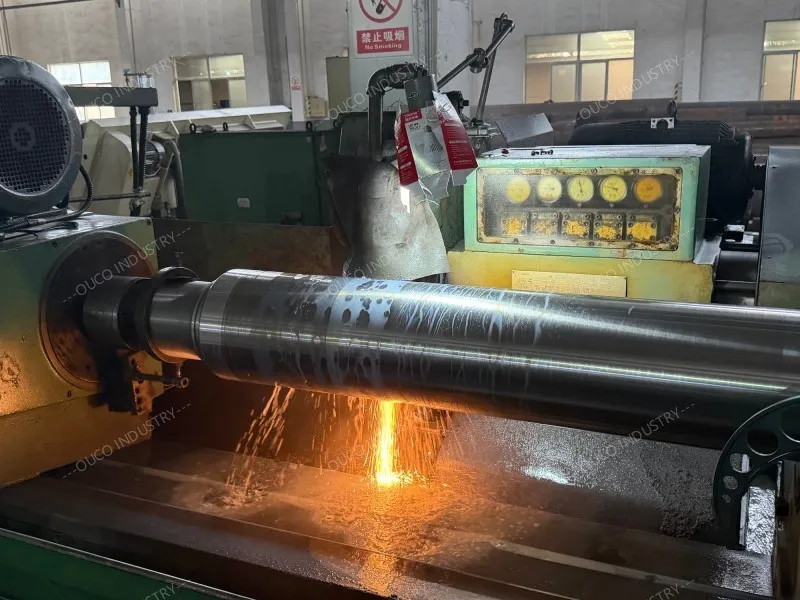
Beyond material excellence, OUCO maintains rigorous process control from initial design through to final assembly. Every critical phase—particularly welding and electroplating—undergoes stringent testing and comprehensive documentation. This meticulous quality trail ensures that every cylinder not only meets but exceeds international maritime safety and performance benchmarks.
Top-Rated Products
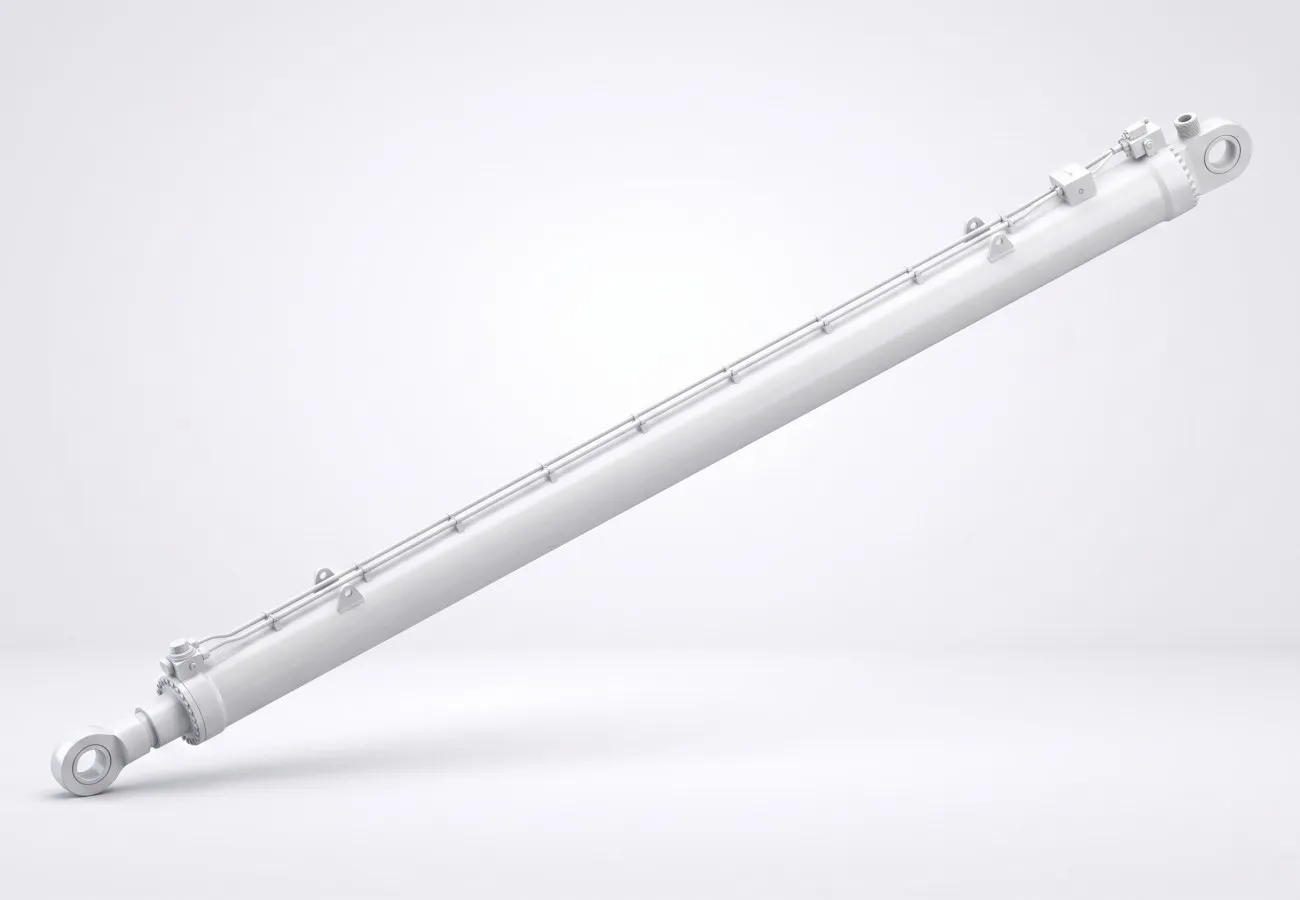
Provides bidirectional thrust and pull to precisely adjust the horizontal angle of A-Frames.
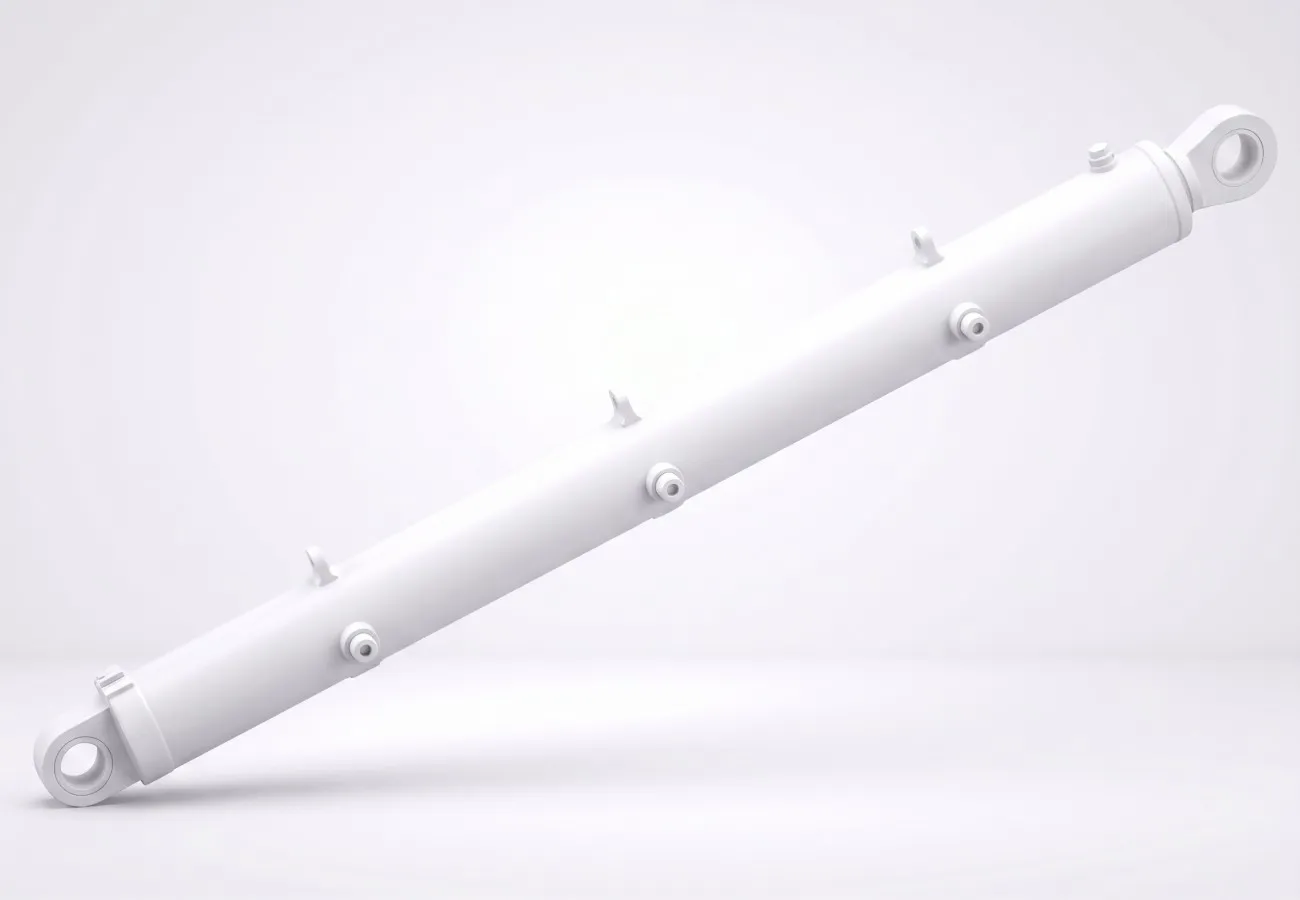
Direct-acting high-pressure cylinder engineered for vertical hoisting and heavy-load lifting.
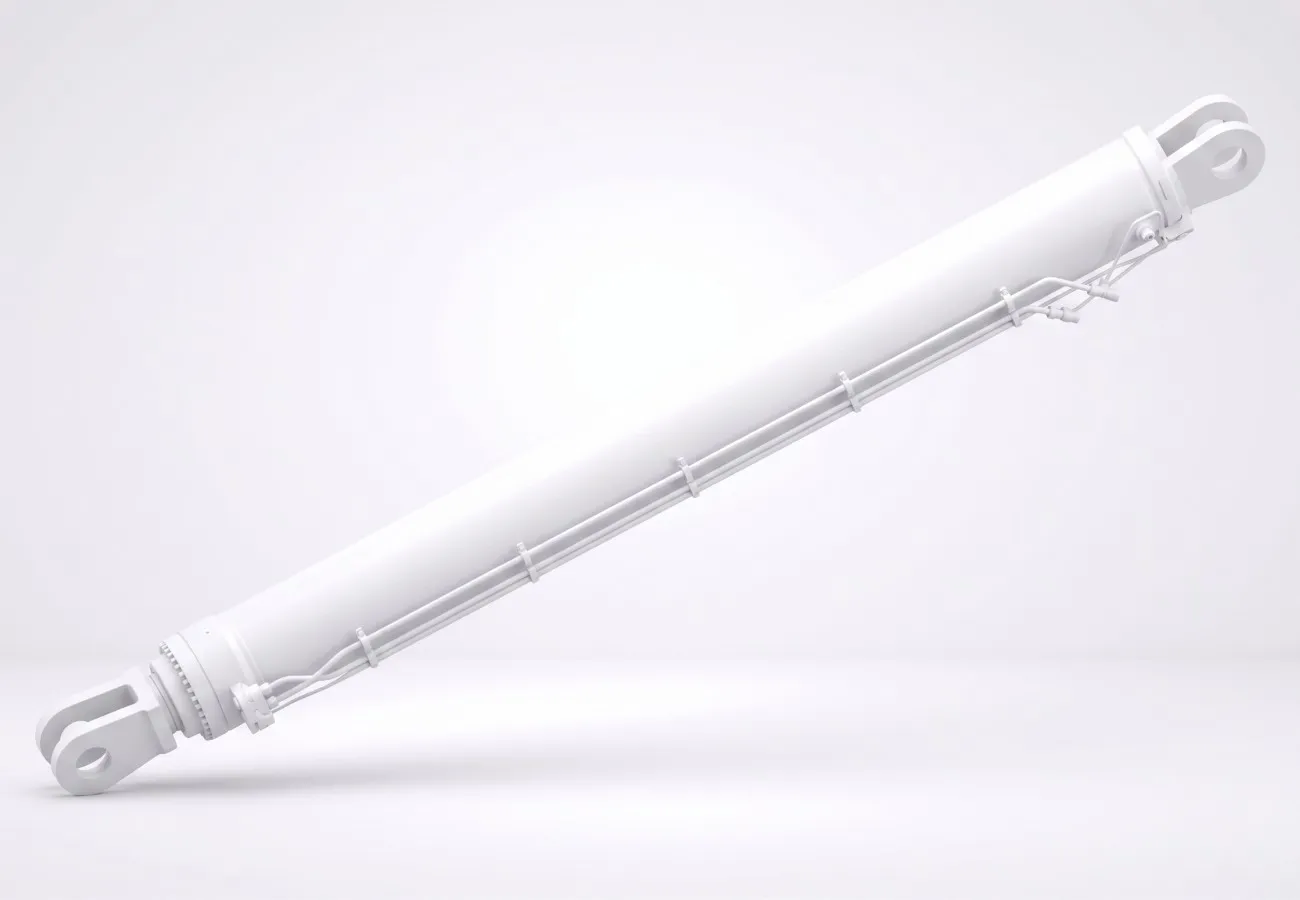
Delivers driving force to the jib for seamless articulation and precise horizontal angle control.
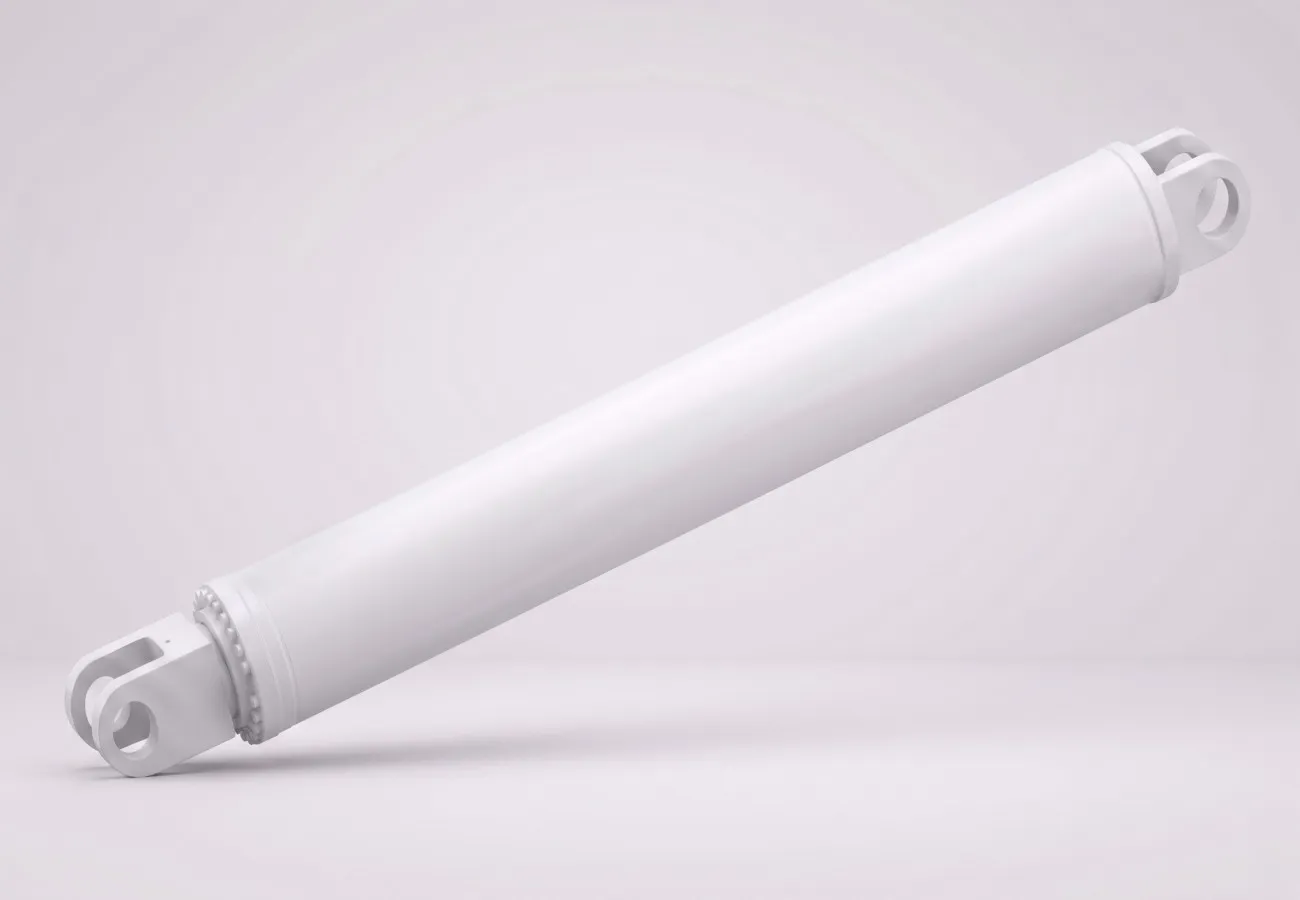
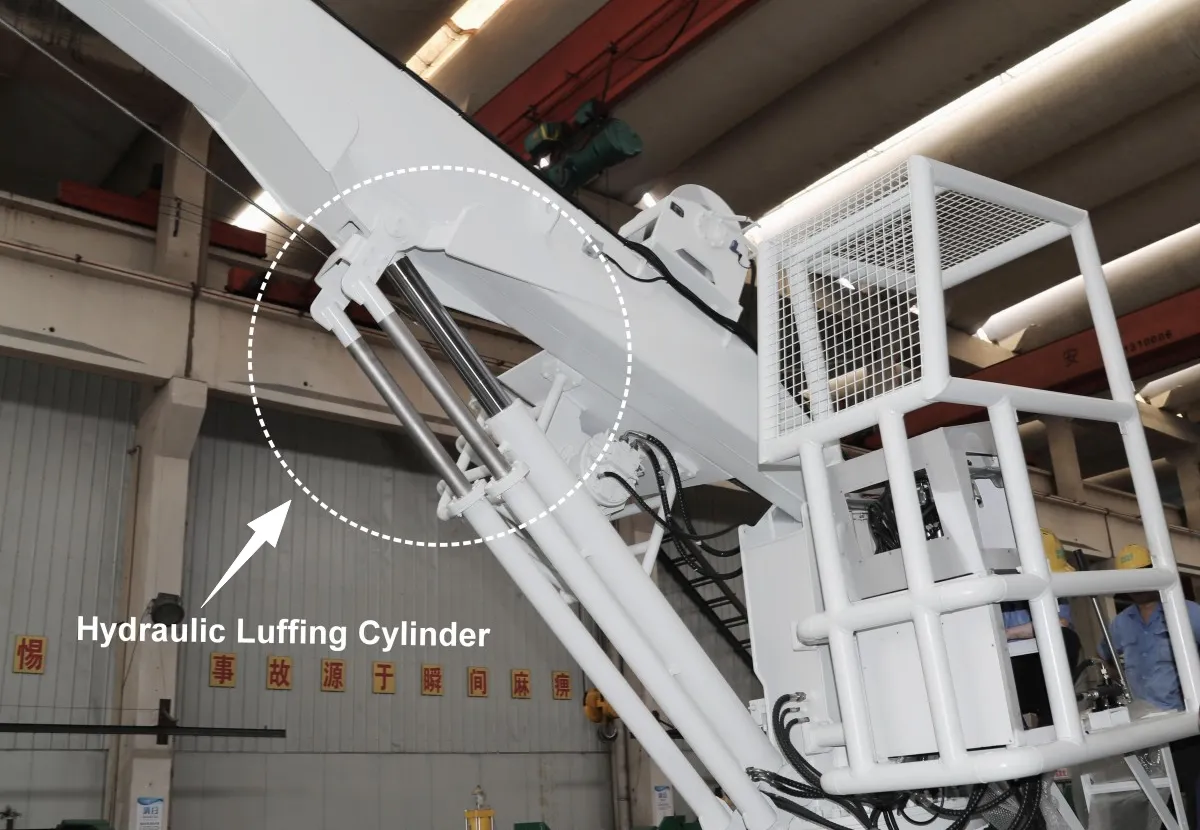
Generates high-torque thrust to achieve smooth luffing and elevation of the crane’s main boom.
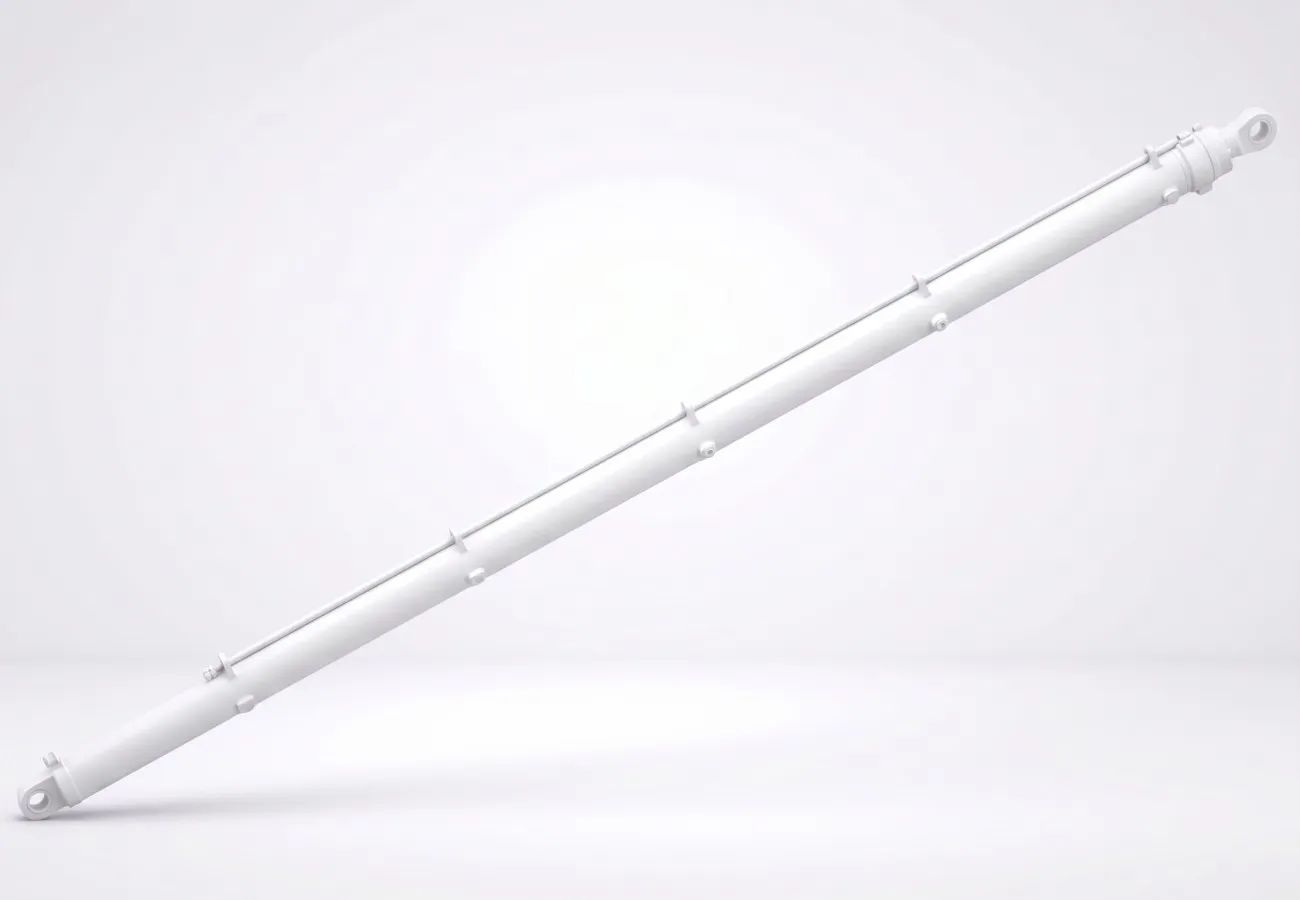
Enables smooth multi-stage extension for telescopic booms with precise positioning control.
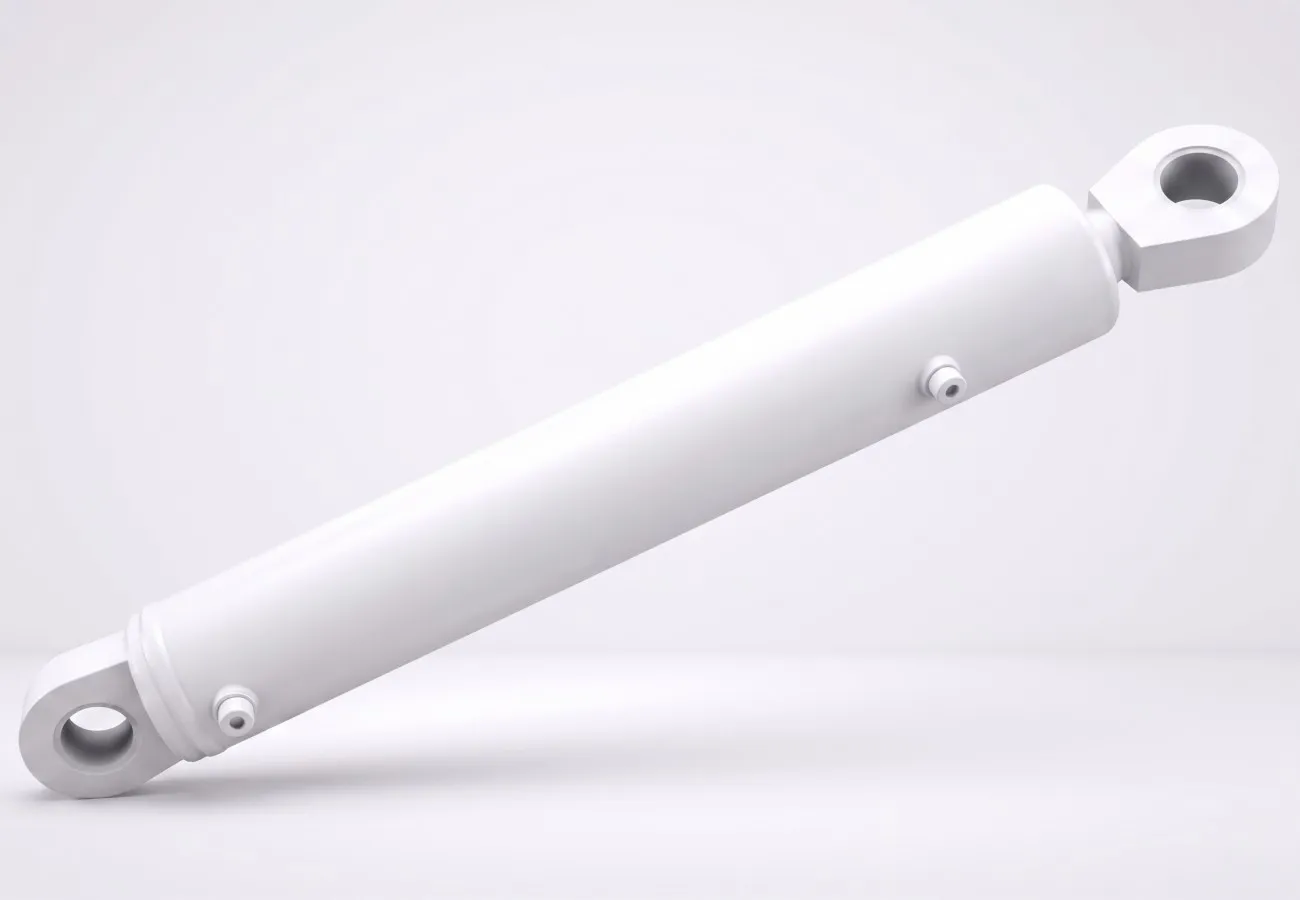
Features a compact, heavy-duty design for reliable opening and closing of folding or swivel hatch covers.
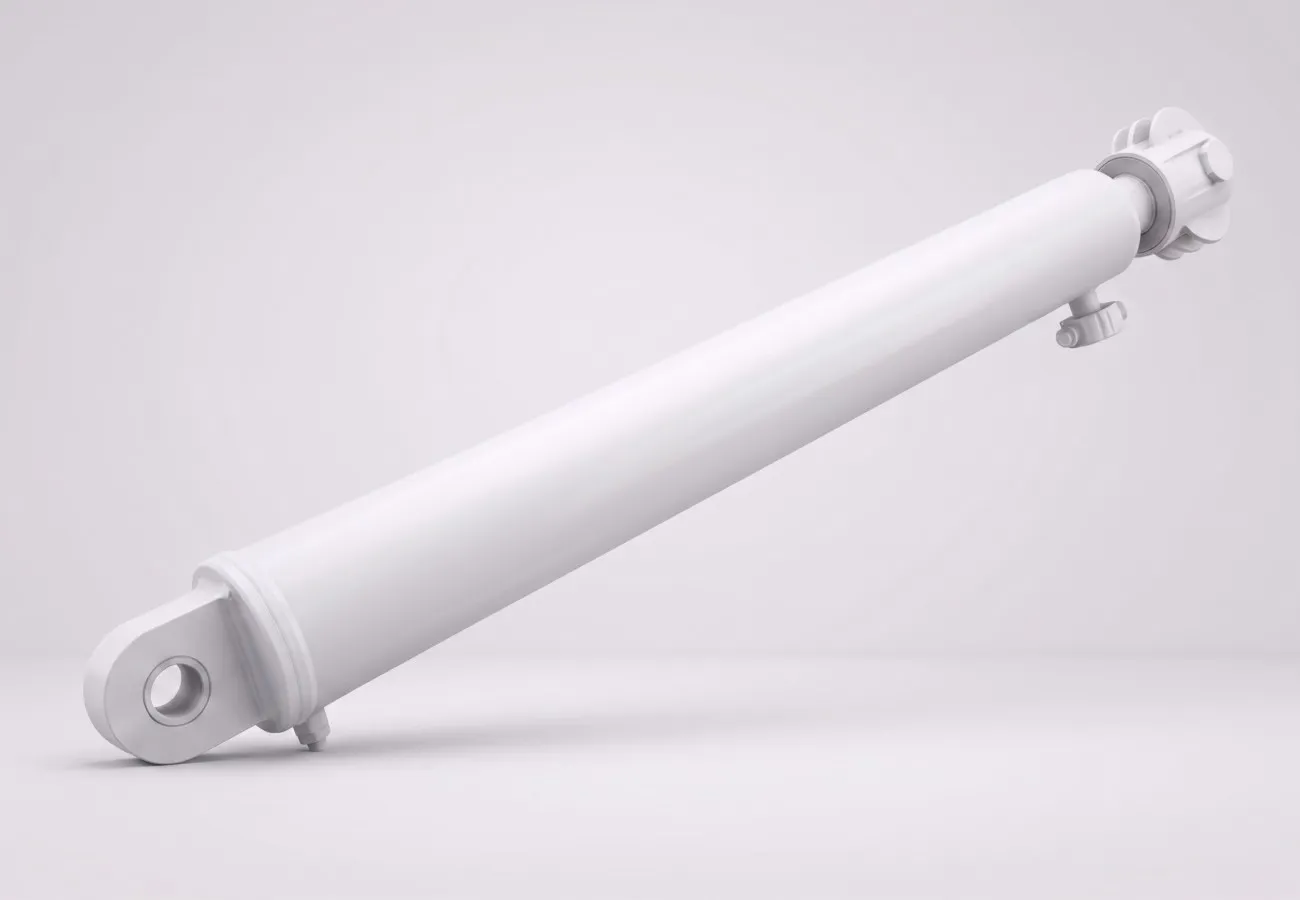
High-pressure cylinder designed to power hydraulic winch systems and ensure stable torque output.
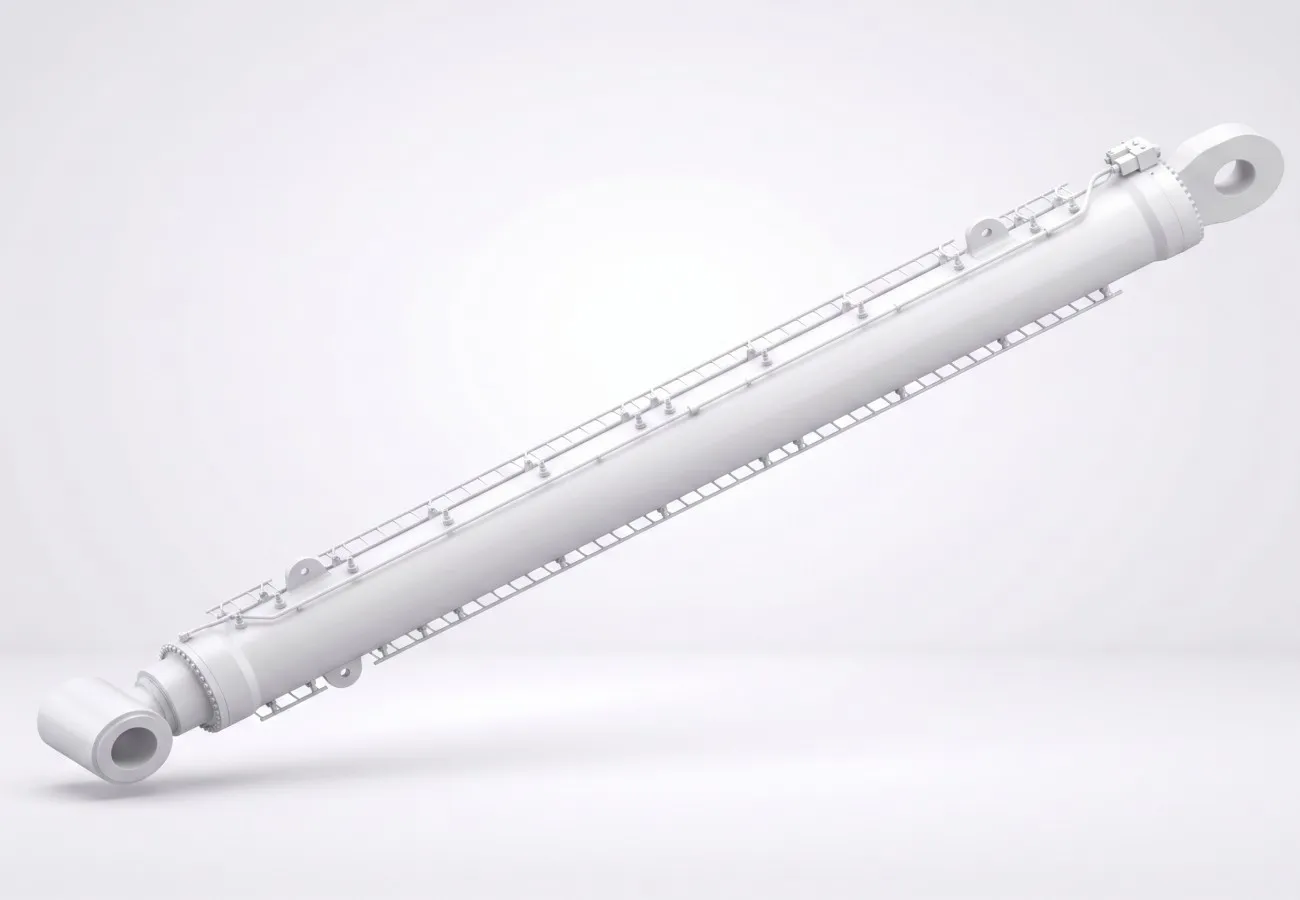
Supports offshore piling rigs by providing frame oscillation and high-load bearing capacity.
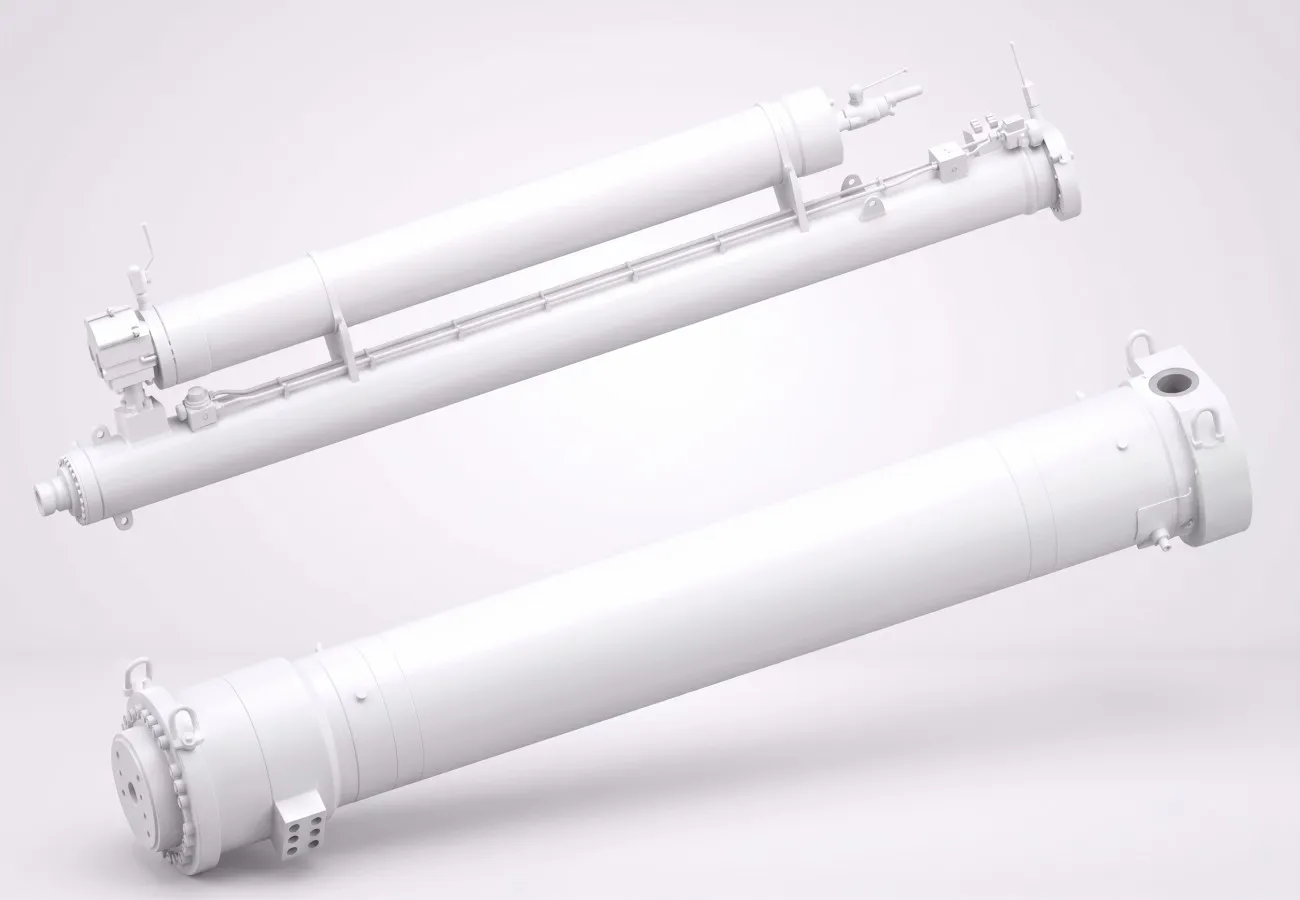
Used for offshore drilling platforms to provide constant thrust and maintain optimal wire rope tension.
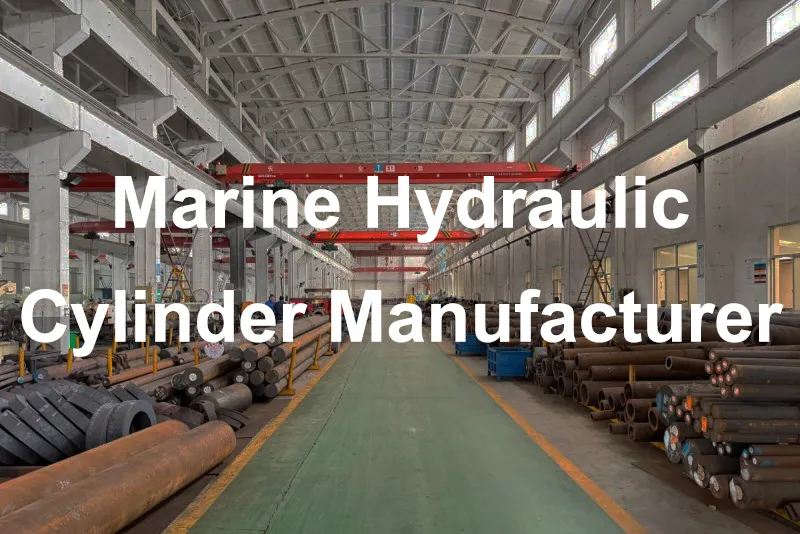
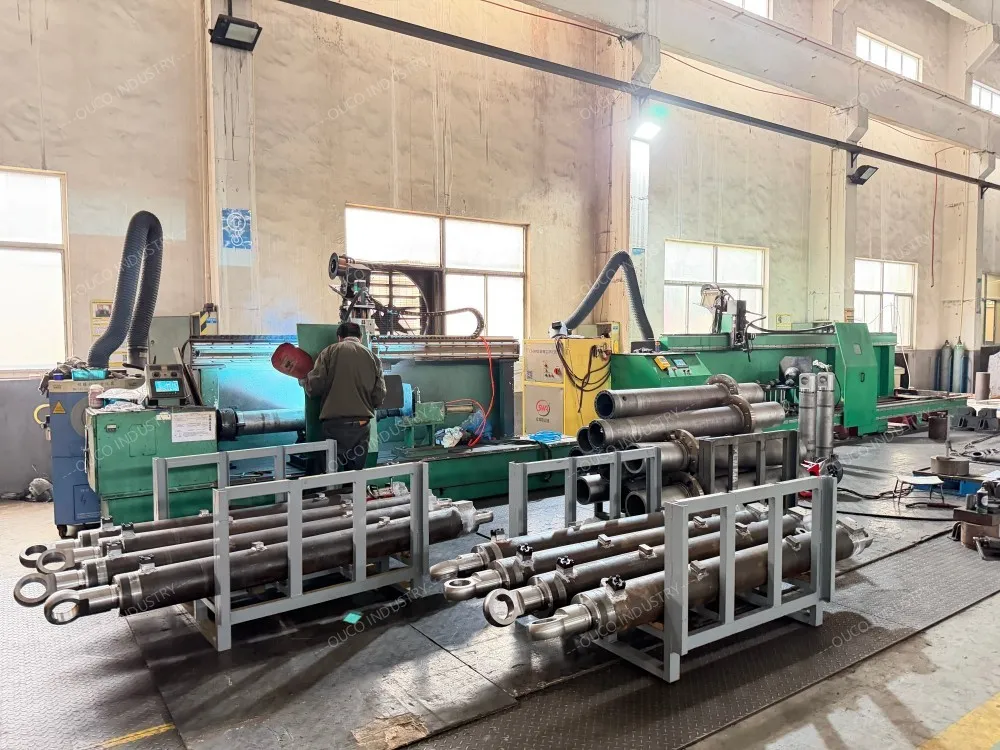
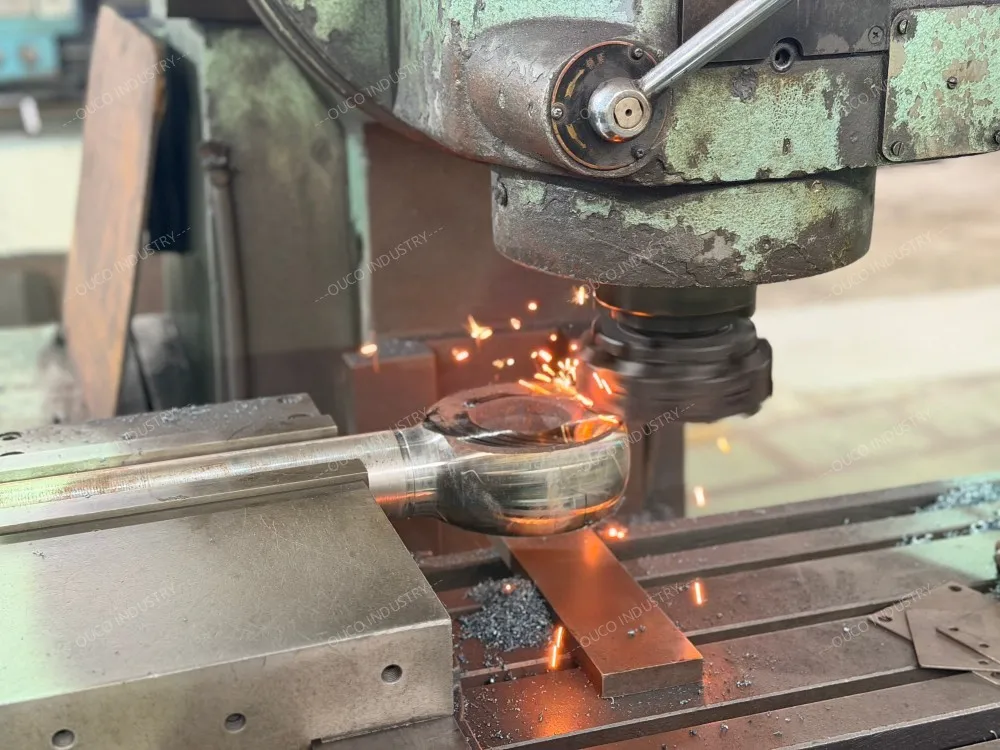
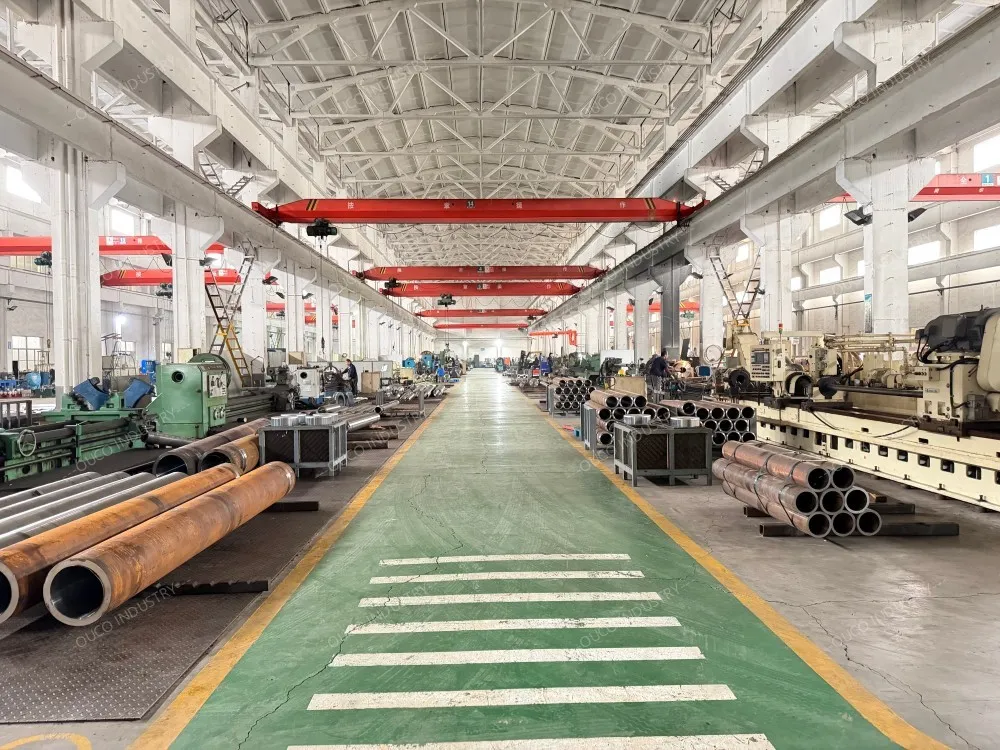
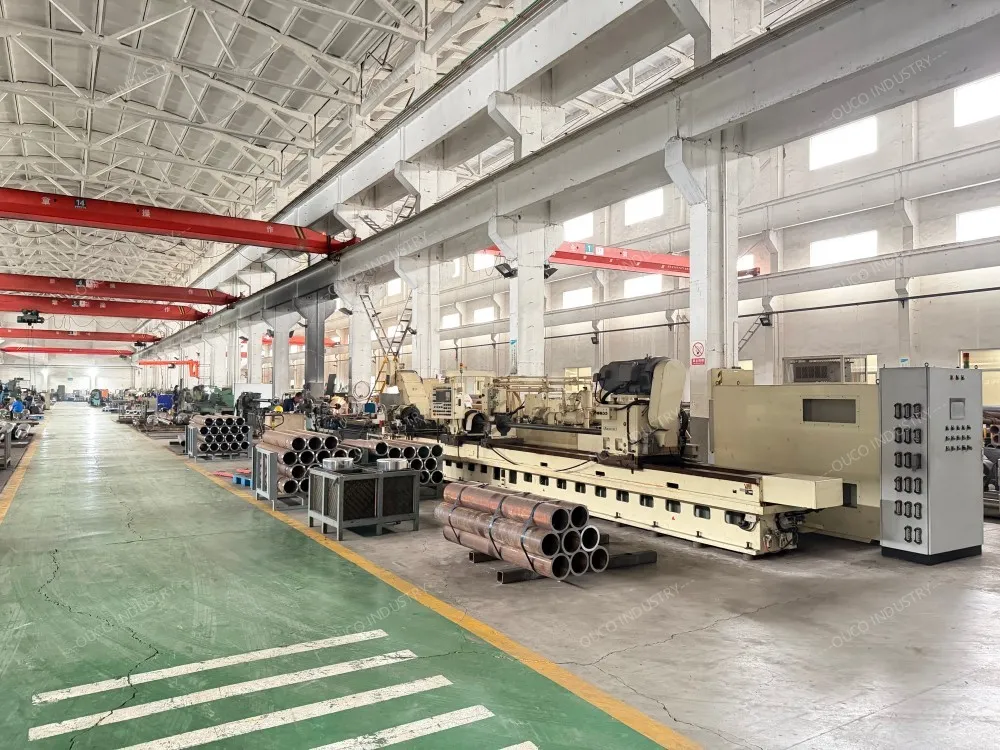
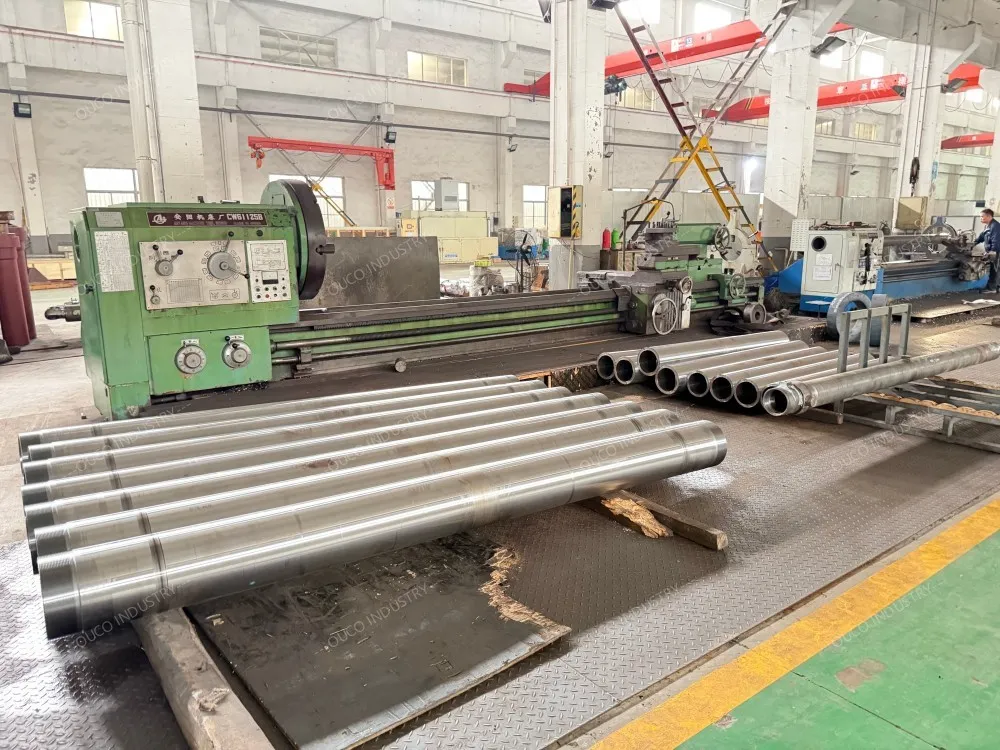
- Marine Hydraulic Cylinder Workshop
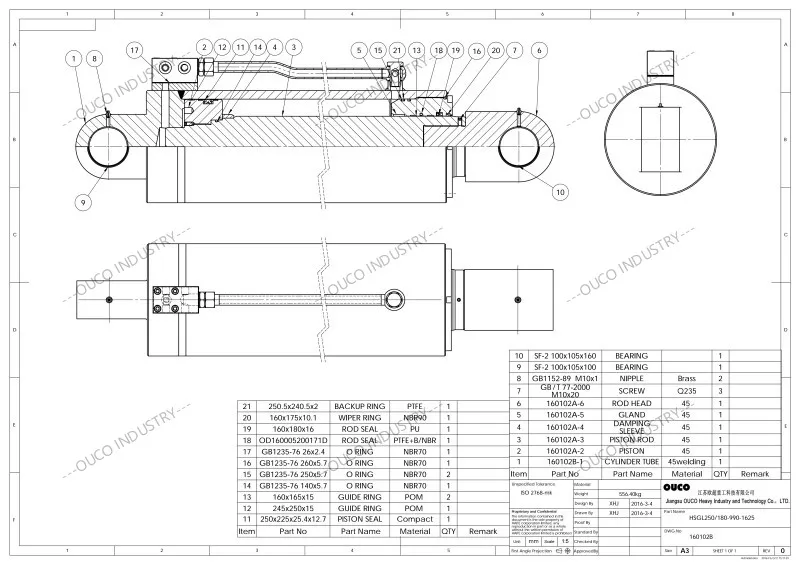
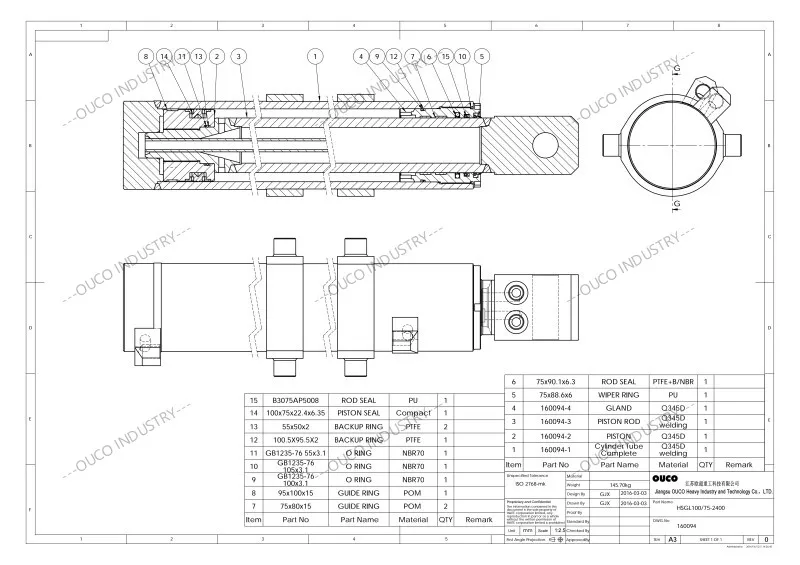
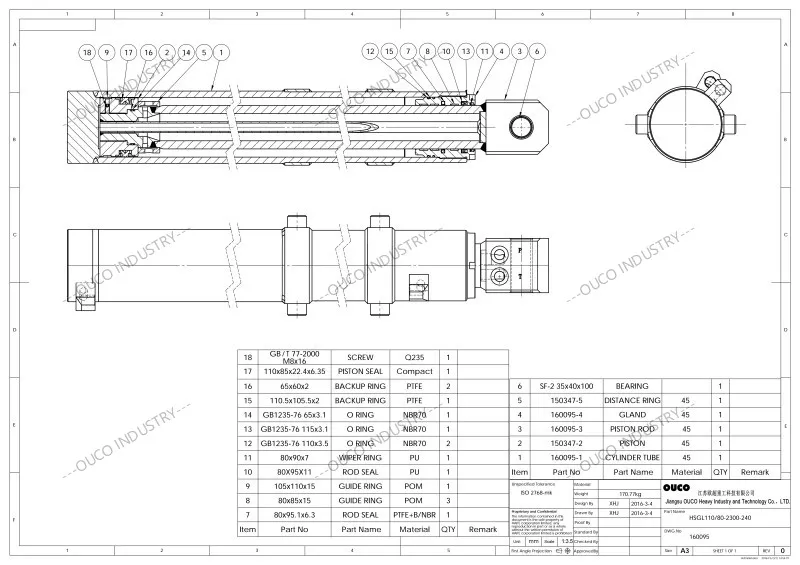
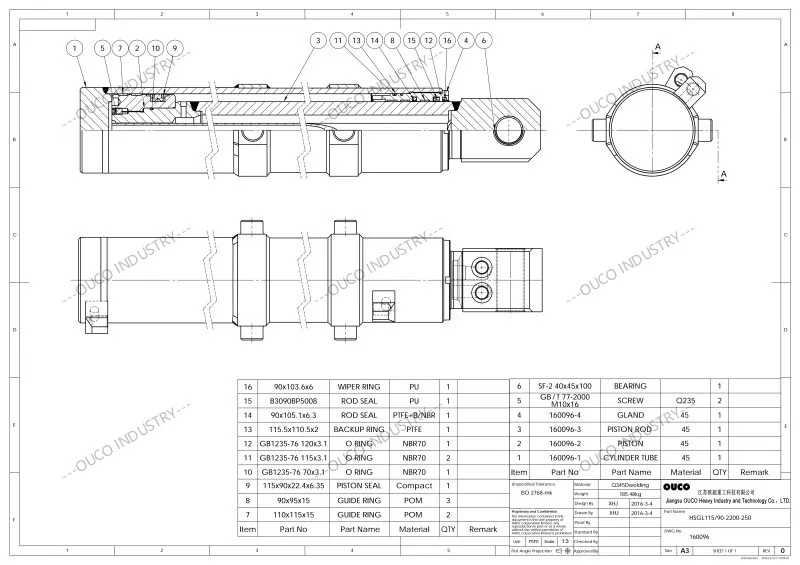
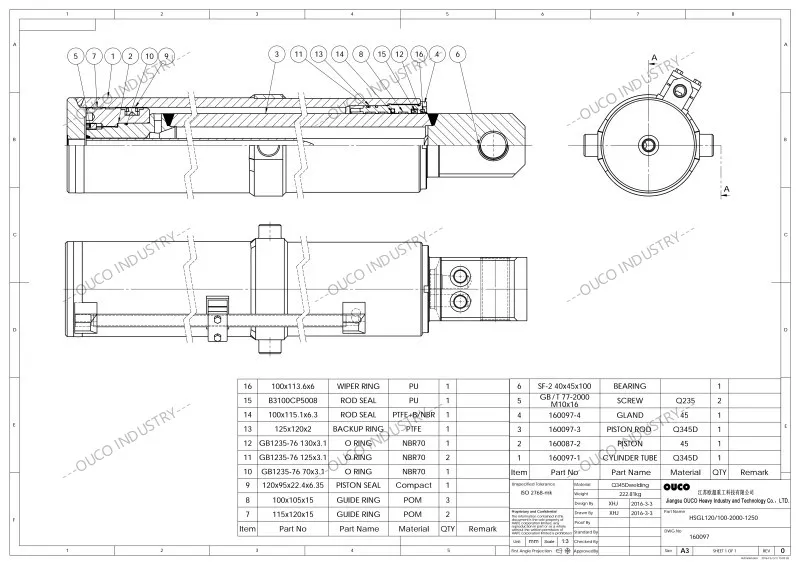
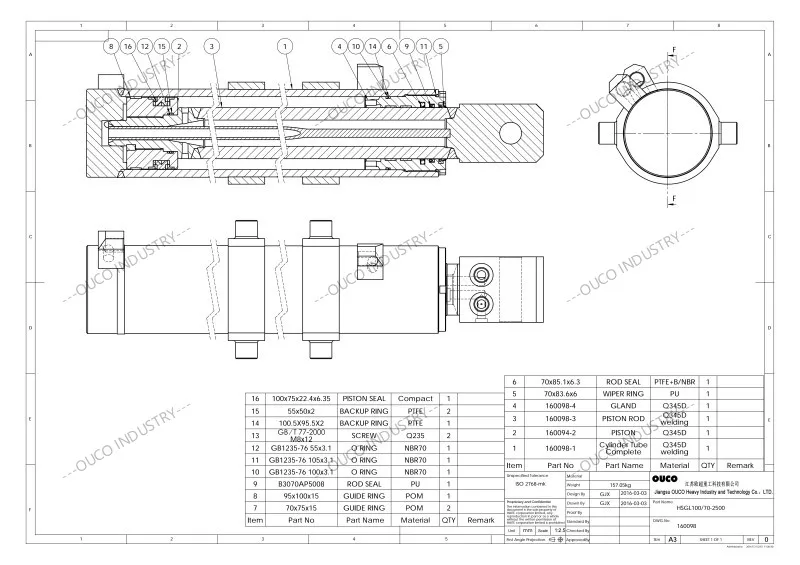
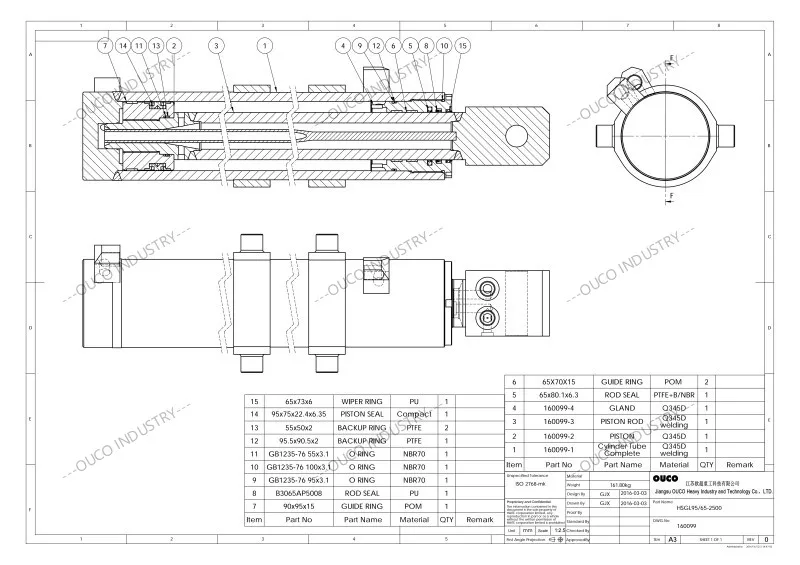
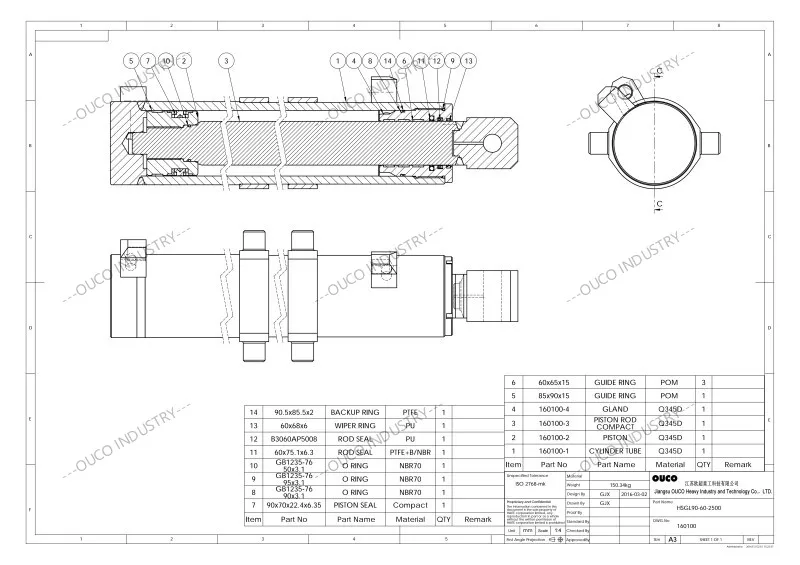
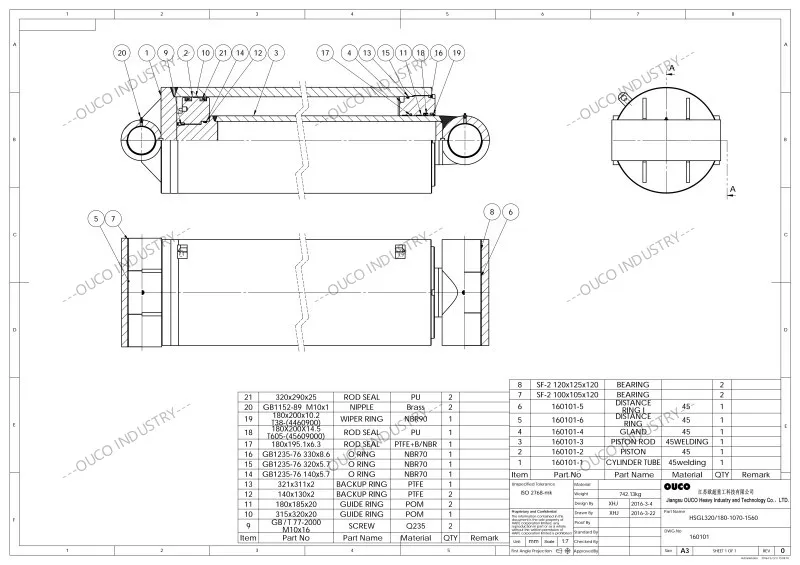
- Latest Marine Cylinder GA Drawing
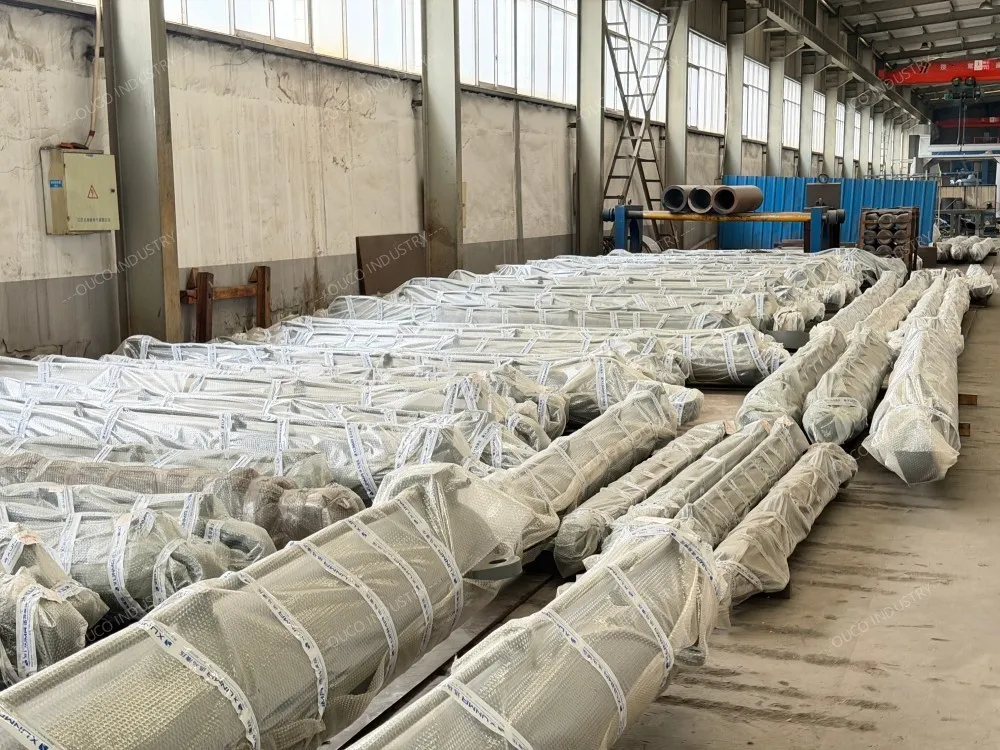
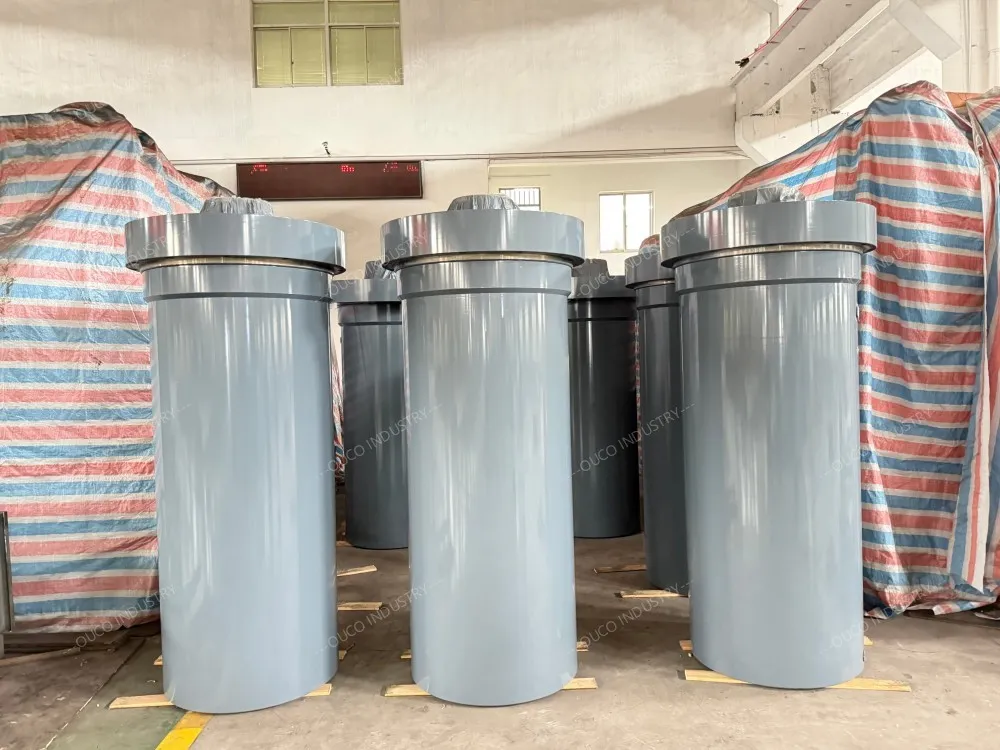
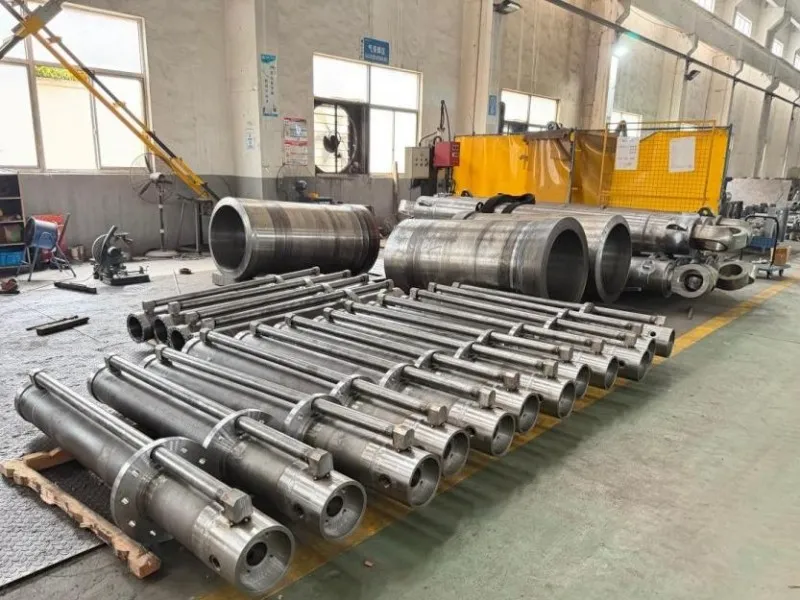
- Cylinder Production Workshop
- Company Certification


Related Product


A hydraulic cylinder uses pressurized fluid (hydraulic oil) to generate powerful linear motion. In simple terms, it converts fluid pressure into a strong mechanical force that can push, pull, or lift heavy loads in a straight line.
To understand how it works, think of a medical syringe. When you push the plunger, the liquid is forced out. A hydraulic cylinder works in reverse: high-pressure oil is pumped into the cylinder, pushing the piston rod outward with immense force. While a syringe moves medicine, an OUCO hydraulic cylinder can move hundreds of tons of cargo or equipment.
In harsh marine environments, these cylinders act as the “hands of the ship.” They are the hidden force behind essential operations such as:
- Powering steering systems and winches
- Driving marine cranes and A-frames
- Opening and closing large hatch covers
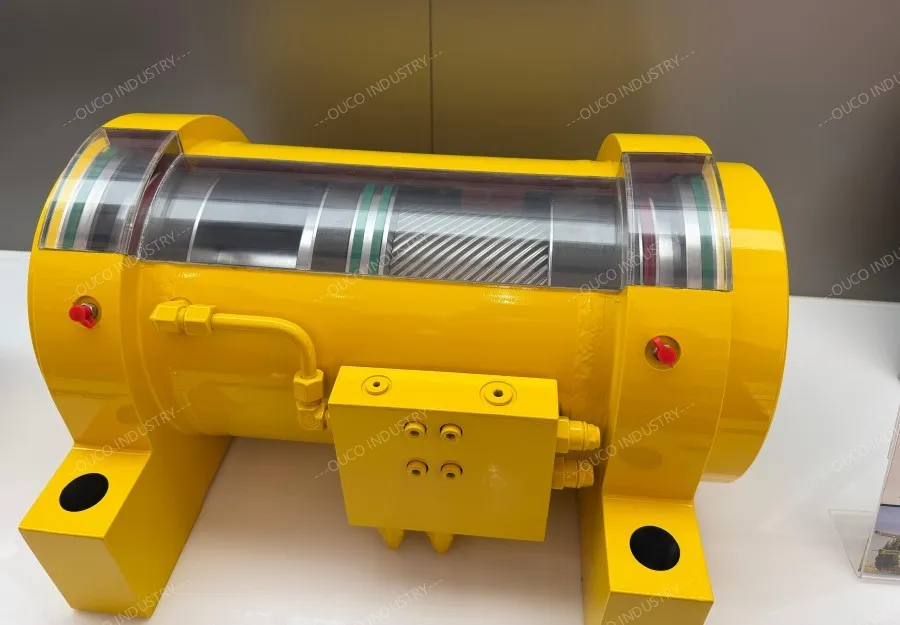
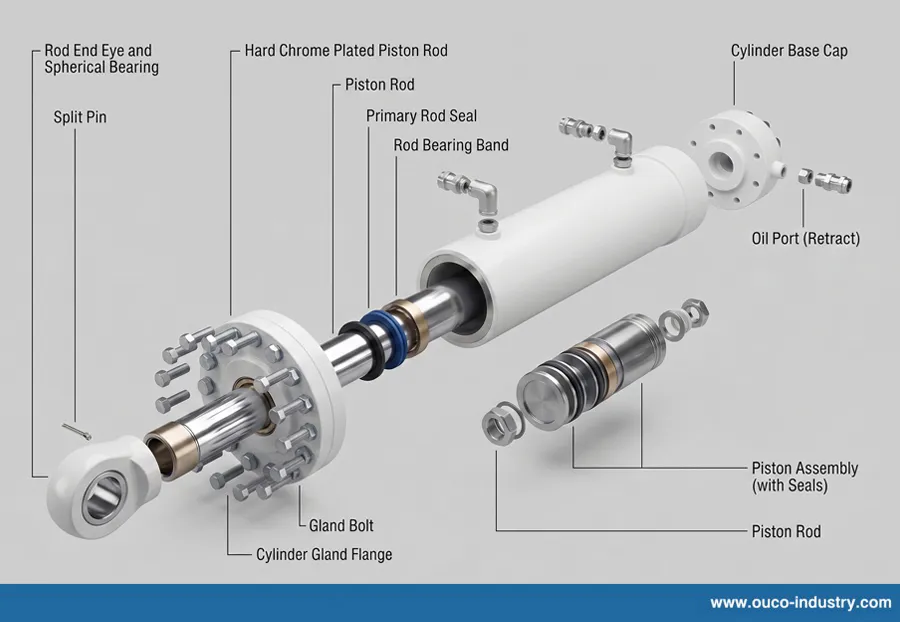
A hydraulic cylinder is a precision-engineered machine, much like the human body, with five core components that work in perfect coordination:
1. The Barrel (The Body)
The cylinder barrel is a heavy-duty, seamless steel tube that acts as the protective “body” of the unit. It is designed to house the hydraulic oil and withstand extreme internal pressure without leaking or deforming.
2. The Piston & Rod
The Piston: A sliding disc inside the barrel that acts as the “muscle.” It divides the cylinder into two chambers and moves back and forth as oil pressure shifts.
The Piston Rod: Attached to the piston, this solid metal shaft is the “arm” that extends to push or pull your heavy loads.
3. The Head & Base (The End Caps)
These are the heavy-duty “caps” that seal the cylinder at both ends.
The Base closes the bottom to hold pressure.
The Head is where the rod exits; it contains specialized bearings to keep the rod perfectly aligned during movement.
4. Seals & Gaskets
Though small, these are the most critical components. Made from high-spec materials like Polyurethane or Teflon, they act as “Guardian,” preventing oil leaks and maintaining the vacuum-tight pressure required for operation.
5. Bearings & Snap Rings
These components ensure smooth, low-friction movement and keep the internal parts securely locked in place, even under the violent vibrations of a marine environment.
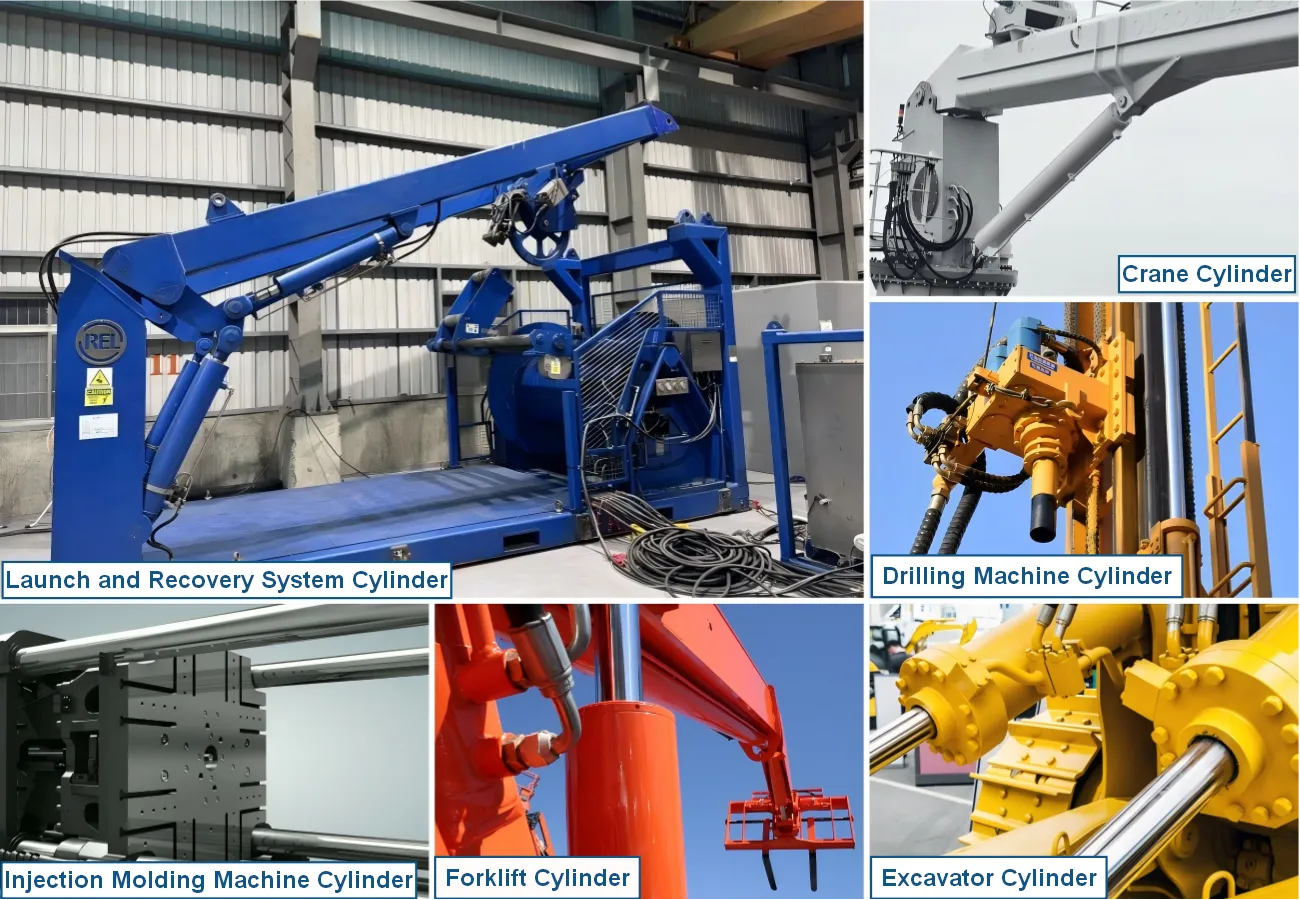
Hydraulic cylinders push, pull, lift, press, and clamp. Here are their key roles with a focus on marine applications:
1. Lifting Heavy Loads
- Overcoming gravity is a cylinder’s most recognizable job.
- Marine example: OUCO marine cranes use powerful cylinders to luff the boom and lift deck cargo.
- Other uses: Excavators, dump trucks, forklifts.
2. Pushing & Pressing
- Applying force to shape, move, or compact materials.
- Marine example: Hydraulic hatch covers push heavy steel panels to form an oil-tight seal.
- Other uses: Waste compactors, injection molding machines.
3. Pulling & Retracting
- Drawing components back or steering precisely.
- Marine example: Steering gear pulls the rudder blade to change the ship’s course; telescopic cranes retract boom sections.
- Other uses: Conveyor tensioning systems.
4. Clamping & Securing
- Keeping equipment or workpieces firmly in place.
- Marine example: Hydraulic locking pins for safe transport of offshore equipment.
- Other uses: CNC hydraulic vises, jigs.
5. Directional & Tilt Control
- Providing fine adjustments for complex movements.
- Marine example: A-frames on research vessels tilting to deploy subsea sensors.
- Other uses: Bulldozer blades, front-end loader buckets.
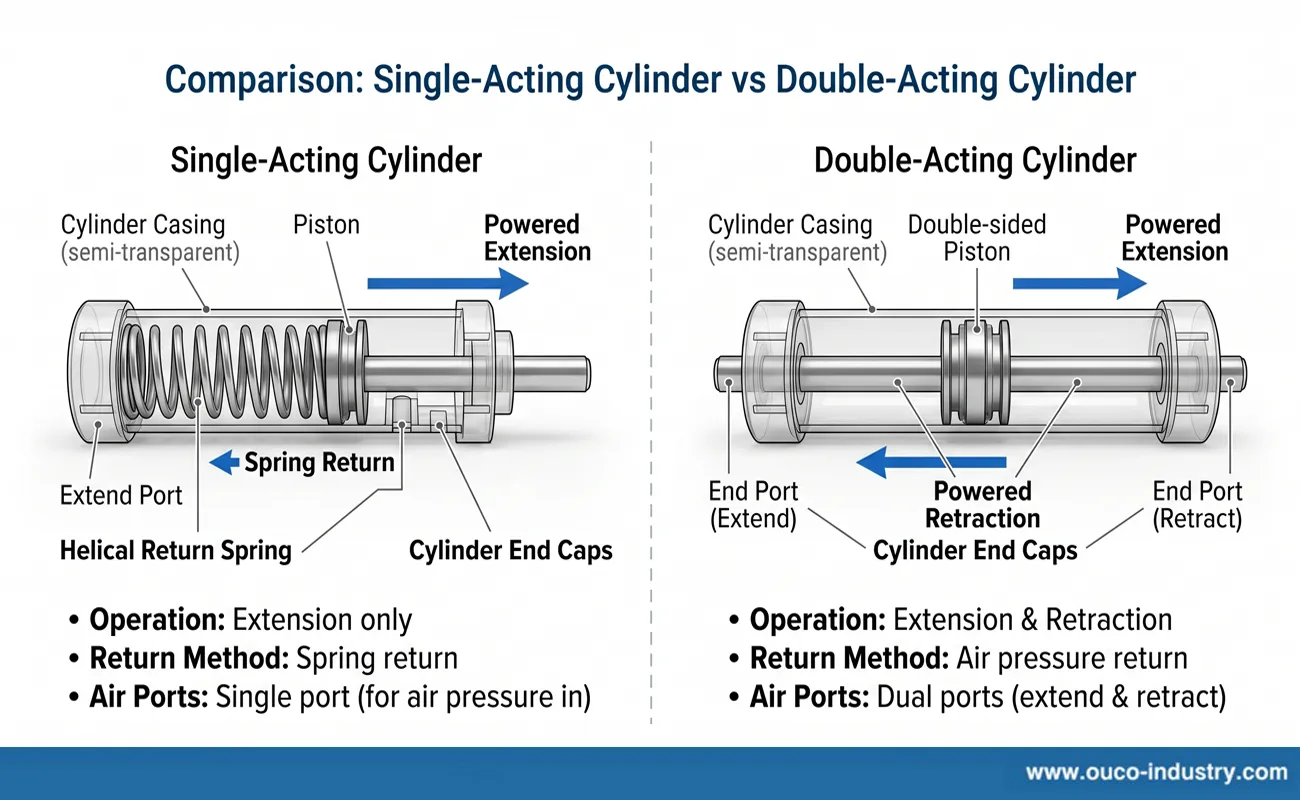
Understanding the difference between single-acting and double-acting hydraulic cylinders is the first step in choosing the right cylinder for your equipment.
1. Single-Acting Cylinders (Gravity / Spring Return)
How it works: Pressurized fluid enters only one side of the piston, powering movement in one direction (typically lifting). The return stroke relies on an external force, such as the equipment’s own weight (gravity) or an internal spring.
Applications: Commonly used in simpler mechanical systems, small deck lifts, or cargo platform supports.
Price & Maintenance: Generally more affordable and lightweight. With fewer internal ports and seals, single-acting cylinders are easier to maintain.
2. Double-Acting Cylinders (Hydraulic Drive in Both Directions)
How it works: Oil ports are located at both ends, allowing hydraulic pressure to drive the rod in both extension and retraction. For horizontal installations, a double-acting cylinder is typically required.
Applications: Widely used across the maritime industry to power marine cranes (luffing), hatch covers, and steering systems where precise control in both directions is essential.
Price & Performance: More expensive due to their complex design, but they deliver superior speed, higher force, and full control over every movement.
1. Clevis / Earring Mount (Pivot Mounting)
This configuration connects the cylinder to the machinery via eye-linkages at both ends. Acting much like a human joint, it allows the cylinder to oscillate and self-align within a specific angular range. It is the ideal solution for applications requiring flexible movement, such as crane boom luffing or excavator arms.
2. Flange Mount (Fixed Mounting)
In this setup, high-strength bolts secure a heavy-duty flange directly to the machine’s bulkhead or frame. This provides an incredibly rigid and reliable connection capable of absorbing massive axial loads. It is the gold standard for high-stability requirements in heavy marine presses and industrial shipboard machinery.
3. Foot Mount (Side Mounting)
Foot mounting utilizes integrated brackets at the cylinder’s base to secure it to a flat foundation. This method is valued for its simplicity and compact footprint, making it perfect for injection molding machines or auxiliary marine deck equipment where installation space is a premium.
🛡️ Expert Tips
OUCO always reminds clients that a cylinder is an actuator, not a support structure. Follow these four essential rules to maximize your equipment’s lifespan:
Avoid Side Loading: Ensure perfect alignment during assembly. Lateral stress is the leading cause of rod scoring and seal failure.
Use High-Grade Fasteners: Always use bolts with a minimum 10.9 property class. Tighten them uniformly to prevent bracket or tube distortion.
Prioritize System Hygiene: Flush all lines thoroughly before connection. Contamination is the “silent killer” of hydraulic precision.
Perform a Manual Check: Before full pressurization, verify that the cylinder moves freely through its entire stroke without interference.
To provide an accurate quote for our custom marine-grade cylinders, please include the following 4 key details in your inquiry:
1. Core Dimensions
- Bore Diameter: (Inner diameter of the cylinder barrel)
- Rod Diameter: (Diameter of the moving piston rod)
- Stroke Length: (The distance the rod travels)
2. Operating Pressure:
Specify your required working pressure. This determines the wall thickness and material strength.
3. Mounting Style
How is the cylinder fixed? Common types include Clevis/Eye-bolt, Flange, or Foot Mount. A simple sketch or photo of the old cylinder is highly recommended.
4. Marine Certification
Let us know if you require a classification society certificate (e.g., CCS, DNV, ABS, or LR).
Pro-Tip for Faster Matching:
“A picture is worth a thousand words.”
Simply snap a photo of the original cylinder nameplate or the equipment’s technical plate. Our engineers can often identify all necessary specs from these photos alone.
Customer Reviews
 4.4/5
4.4/5